
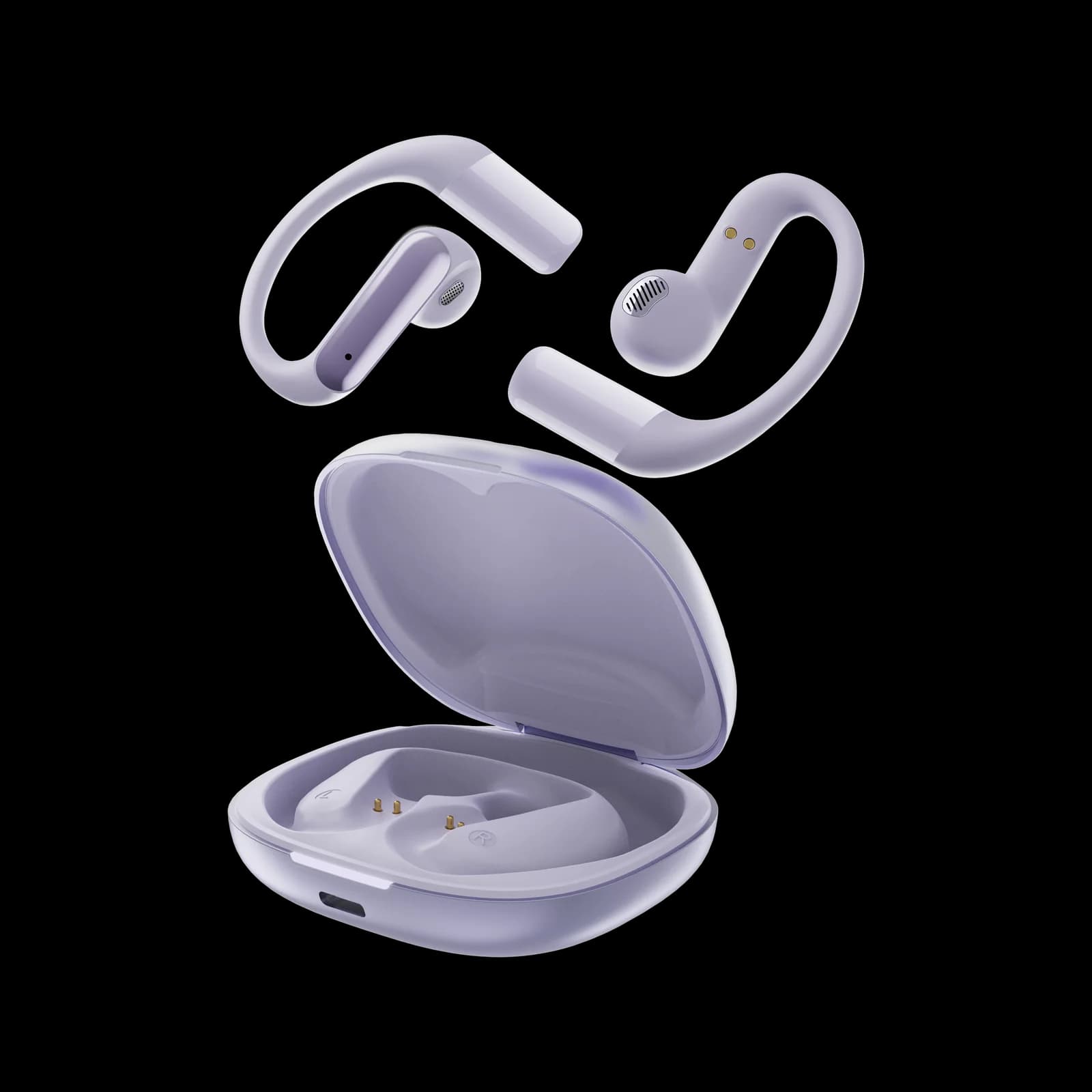
The short answer
Bluetooth earbuds sold in the EU or US normally require more than one document. The applicable route depends on the finished product, radio design, battery, charger or cable bundle, labeling, claims and sales market. For the EU, buyers commonly review the Radio Equipment Directive, RoHS and producer obligations such as WEEE and batteries. For the US, radio-frequency equipment authorization is central. Separately, Bluetooth SIG qualification and battery transport documentation may apply. Treat this as a project checklist, not legal advice: confirm the exact scope with an accredited laboratory and the responsible market entity before shipment.
Start with the finished configuration
Compliance evidence must match what will actually be sold. Record the model names, PCB and radio design, antenna, firmware, battery cells, charging case, cable, power adapter if supplied, packaging, user instructions and intended countries. A test report for a similar earbud may be useful background but does not automatically cover a changed product. Changes to the antenna, chipset, enclosure, battery or charging system can alter the review. Installation preparation for compliance means freezing these inputs early enough for testing, artwork and production to use the same configuration.
European Union: Radio Equipment Directive
Bluetooth earbuds intentionally transmit radio signals and therefore fall within the EU radio-equipment framework. A conformity assessment typically considers health and safety, electromagnetic compatibility and efficient use of radio spectrum, with standards and test scope selected for the specific product. The manufacturer prepares technical documentation and an EU Declaration of Conformity, and compliant products carry required markings and traceability information. Importers and distributors also have responsibilities. Do not reduce the process to asking whether a supplier has a CE certificate; request the declaration, relevant reports and model mapping, then have the file reviewed for your exact product and role.
EU RoHS, WEEE and battery responsibilities
RoHS restricts specified hazardous substances in electrical and electronic equipment. Product and component material evidence can support the assessment, but the responsible business should confirm that the documentation covers the supplied configuration. WEEE is an end-of-life producer-responsibility regime, not simply a factory laboratory test. Registration, reporting, labeling and financing obligations may vary by member state and selling arrangement. Battery rules likewise include product, labeling, information and producer-responsibility requirements that are evolving. An importer selling under its own brand should map who is the legal manufacturer, importer and producer in each destination rather than assume the OEM factory owns every obligation.
Bluetooth SIG qualification is a separate track
Regulatory approval and Bluetooth brand qualification are different. The Bluetooth SIG states that Bluetooth products must complete its Qualification Process before sale or distribution. The appropriate path depends on the design being used, changes made and the member responsible for the listing. Confirm the qualified design references and marketed model names early. A supplier may provide design information, but the brand owner should understand its membership, listing and trademark responsibilities rather than treating a chipset sheet as the complete answer.
Battery transport documentation
Lithium batteries bring transport requirements that are separate from radio-market approvals. Logistics providers commonly ask for evidence based on the actual cell or battery, together with shipment classification and packaging information. UN 38.3 test-summary documentation is often part of this file. The shipper must confirm the current rules for the mode, route, quantity and packing arrangement. Match cell model markings and capacities to the documents during shipment inspection; a report for a different cell may cause delays or rejection by a carrier.
What to request from an OEM supplier
Send the supplier a market matrix and request evidence by model, not a folder of unrelated certificates. Ask for hardware version, PCB or design reference, antenna information, battery model, firmware version, existing laboratory reports, declarations, Bluetooth qualification references and change history. Confirm whether reports are preliminary, final, expired, superseded or issued to another company. Where customer requirements include private-label model names, determine whether those names must appear in declarations, listings, labels or technical records.
- Finished-product model and all marketed variants
- Report number, issuer, date and exact standard edition
- Photos or descriptions proving the tested construction
- EU Declaration of Conformity draft and responsible entity
- FCC authorization details for the finished radio design
- Battery cell identity and transport file
- Bluetooth qualification and listing responsibility
Plan compliance into the development timeline
The least efficient approach is to complete production and then ask what documents are needed. Begin with the target markets and sales channels, obtain a laboratory quotation against the frozen configuration, reserve samples, and align artwork and manuals with the compliance review. Leave time for failures and engineering changes. If a failure requires a component or antenna change, repeat the affected verification and update the bill of materials. Shipment inspection should then confirm that mass production matches the tested and documented product.
Common red flags
Red flags include a certificate with no supporting report, a report that names another model with no documented relationship, photos that do not match the product, a battery file for a different cell, missing importer information, and claims that one CE document automatically covers every country and variation. Another warning is pressure to print marks before the responsible party has reviewed the basis for conformity. Documents are evidence, but consistency across design, test sample, production and market labeling is what makes the file defensible.
Create a model-to-document matrix
A simple spreadsheet can make a complex file auditable. Use one row for each marketed model and variant. Columns can identify hardware revision, firmware, radio design, antenna, battery cell, charging case, EU declaration, radio and EMC reports, substance evidence, FCC identifier, Bluetooth listing, transport documents, label version, manual version, responsible entity and review status. Link each cell to the controlled file rather than relying on names such as final certificate. When a color-only variant shares evidence, record the technical basis for that relationship. When a change affects the design, flag the documents for laboratory review instead of assuming they remain valid.
Understand private-label responsibilities
Private labeling changes more than the logo. The name on the product, packaging or declaration may affect who is presented as manufacturer or responsible party. Online marketplaces and customs teams may ask the seller for documentation even when the OEM arranged the original tests. Agree in writing who owns reports, who may reference them, who maintains technical documentation and who responds to authority or marketplace questions. Also agree whether the factory can support future variants without invalidating the evidence. This commercial clarity belongs in the sourcing decision because unavailable or unusable documentation can delay a launch even when the physical product works.
Control labels, manuals and online listings
Compliance is visible to customers and authorities through the product, case, package, manual and sometimes online offer. Review required identifiers, traceability, responsible-business details, warnings, disposal symbols, radio information and language coverage with a qualified adviser. Keep artwork under revision control and compare printed production with the approved file during shipment inspection. Marketing claims should also match the documented product. Avoid unsupported statements about waterproofing, hearing safety, range or battery runtime. A technically correct report cannot repair misleading consumer-facing information.
Recheck when the product changes
A supplier change notice should identify the reason, affected lots and differences in component, layout, antenna, battery, enclosure or firmware. Send material changes to the testing partner for an impact assessment. Some changes may be covered by engineering review; others may require partial or full retesting, a new authorization or updates to declarations and listings. Keep the written assessment with the technical file. Change control is especially important after the first order, when purchasing teams may approve an alternative component to protect lead time without realizing that it is connected to the compliance evidence.
Distinguish reports, declarations and registrations
These records serve different purposes. A laboratory report documents a sample, method and result. A declaration is a legal statement made by the responsible economic operator on the basis of the conformity assessment. An authorization or listing may be searchable in an authority or program database. Producer registration supports environmental obligations in a specific jurisdiction. None should be described vaguely as the certificate. In a buyer review, record the document type, issuer or signatory, covered model, date, referenced standards and responsible company. This makes gaps visible and prevents a polished cover page from being accepted without the technical evidence or market action behind it.
Account for chargers, cables and bundled accessories
The compliance scope can change when a power adapter, cable or other accessory is included. A cable may affect EMC performance, while a supplied charger brings its own safety, efficiency, plug and market considerations. If the product is sold without an adapter, packaging and instructions should state the supported charging input accurately and avoid implying that any power source is suitable. Confirm whether laboratory testing used the intended cable and charging configuration. When a private-label buyer replaces an accessory for commercial reasons, add the change to the model-to-document matrix and ask the laboratory whether the existing evidence remains representative.
Prepare for marketplace and customs requests
Marketplaces, fulfillment providers and customs teams may request documents in formats or timelines that differ from a regulator's technical file. Before listing, collect readable final reports, declarations, product and packaging photos, model mapping, responsible-business details and translations where required. Check that the online model name is consistent with physical labeling and the documentation. Maintain an owner and expiry or review date for each record. Quick access is valuable, but do not send confidential reports broadly without understanding ownership and permitted use. Agree with the OEM which documents can be shared and how sensitive design information will be protected.
Questions to send a laboratory before ordering
Give the laboratory enough information to define scope instead of asking for a generic certification price. State the EU member states or US market, seller and brand owner, intended product name, hardware status, radio chipset and antenna, battery configuration, supplied cable or charger, product claims, packaging plan and expected launch date. Ask which legal acts, rule parts, standards, sample quantities and documents they propose; what is excluded; and how design changes will be handled. Confirm whether the laboratory is appropriately accredited for the work and whether subcontracting will be used. Request a deliverables list showing reports, data, photos and declaration support. A written scope makes quotations comparable and reduces disputes if additional tests appear later.
Maintain the file after launch
Compliance is not finished when the first shipment clears customs. Keep the technical file available for the required period identified by your adviser, monitor regulatory and standards changes, retain supplier change notices and update declarations or listings when necessary. Record complaints that may indicate a safety, radio or labeling issue and establish an escalation path. If the product is sold in additional countries, repeat the market assessment rather than assuming EU or US work covers the new destination. Periodically compare current production samples with the documented construction. A named owner, review calendar and controlled archive are simple governance measures that prevent an initially complete file from becoming unreliable over several repeat orders.
What the OEM can and cannot decide for the buyer
An experienced OEM can provide product design information, available reports, sample preparation, change records and support during laboratory testing. It can also flag when customization may affect existing evidence. However, the importer or brand should not outsource every market decision without understanding its own role. Sales channel, claims, languages, responsible-business details, producer registrations and document retention may sit outside the factory's scope. Define responsibilities in a compliance responsibility matrix with one owner and due date for each action. This avoids both duplication and dangerous gaps. The best supplier conversation is specific: which model, which market, which document, which responsible company and which revision—not simply whether the product is certified.
Discuss your project
Need to map a private-label earbuds model to your target markets? Send the destination countries, model reference and customization scope. Nevoks can organize the available product information for review with your chosen compliance partner.
Ask for Product CatalogConclusion
For EU and US launches, build a compliance matrix around the final product and responsible businesses. Separate radio rules, substance restrictions, producer responsibilities, Bluetooth qualification and battery transport. Verify that every report and listing maps to the actual model, then control changes through production and shipment inspection. This disciplined process reduces late surprises without pretending that a generic certificate guarantees market access.
Contact UsFrequently asked questions
Do Bluetooth earbuds need CE marking in the EU?
Bluetooth earbuds are radio equipment and the responsible manufacturer should assess the applicable EU legislation and conformity route before placing them on the market. Confirm the exact standards and documentation with a qualified laboratory or adviser.
Does an FCC-certified Bluetooth module cover the complete earbuds product?
Not automatically. Integration conditions, antenna, enclosure and finished-product rules must be reviewed for the actual configuration.
Is Bluetooth SIG qualification the same as CE or FCC approval?
No. Bluetooth qualification addresses use of Bluetooth specifications and brand licensing; CE and FCC relate to market regulatory requirements.
When should compliance testing begin?
After critical hardware and firmware are stable, but before mass production and final artwork. Build time for retesting and document updates into the launch plan.
Authoritative references
Regulatory scope changes by product and market. Use these primary sources with advice from your testing laboratory or compliance adviser.