
If standard earbuds feel too large, changing to the smallest silicone tip may help—but it is not a guaranteed fix. The tip is only one part of the fit. The hard outer housing, the angle of the nozzle and the shape of your ear all affect how securely and comfortably an earbud sits.
That distinction matters when shopping for earbuds for small ears. A model can include an extra-small tip and still have a bulky body that presses against the outer ear. Instead of focusing on a single size label, look at the complete shape and how the product is intended to sit.
First, identify where the fit problem occurs
“Small ears” can describe several different fit issues. Working out which one you have makes it easier to choose the right design.
The tip feels tight inside the canal: The silicone tip may be too large, too firm or inserted at an uncomfortable angle.
The earbud body presses against the outer ear: A smaller tip will not make the hard housing narrower.
The earbuds gradually work loose: The tip shape, nozzle angle or contact with the outer ear may not provide a stable fit.
Your ears feel tired after a short session: The earbuds may be too heavy, too large or applying pressure at the wrong point.
If you feel pain, do not push the earbuds farther into your ears. A secure fit should not require force.
Why changing the ear tip does not always solve it
Silicone tips help create a seal and keep an in-ear earbud positioned. They do not change the dimensions of the earbud housing. If the body is too wide or the nozzle sits at the wrong angle, switching from a medium tip to a small one may leave the main problem untouched.
A tip that is too small can create a different issue: the earbud may not seal properly and may become loose during movement. That can lead to frequent readjustments and inconsistent sound. The goal is not to choose the smallest tip available; it is to find the size that feels comfortable and stays in place without excessive pressure.
Earbud styles that can work for smaller ears
Compact in-ear earbuds
Look for models that specifically publish small housing dimensions or include extra-small tips. A compact body can be more important than a long list of tip sizes. Product photos from the side and measurements are more useful than broad claims such as “fits all ears.”
Earbuds with multiple tip options
Some models include several silicone or foam tip sizes. This gives you more ways to adjust the fit, although tip material and shape can feel different from one product to another. Foam tips compress during insertion and may suit some users, but they still need to match the nozzle and ear canal.
Open-ear and clip-on earbuds
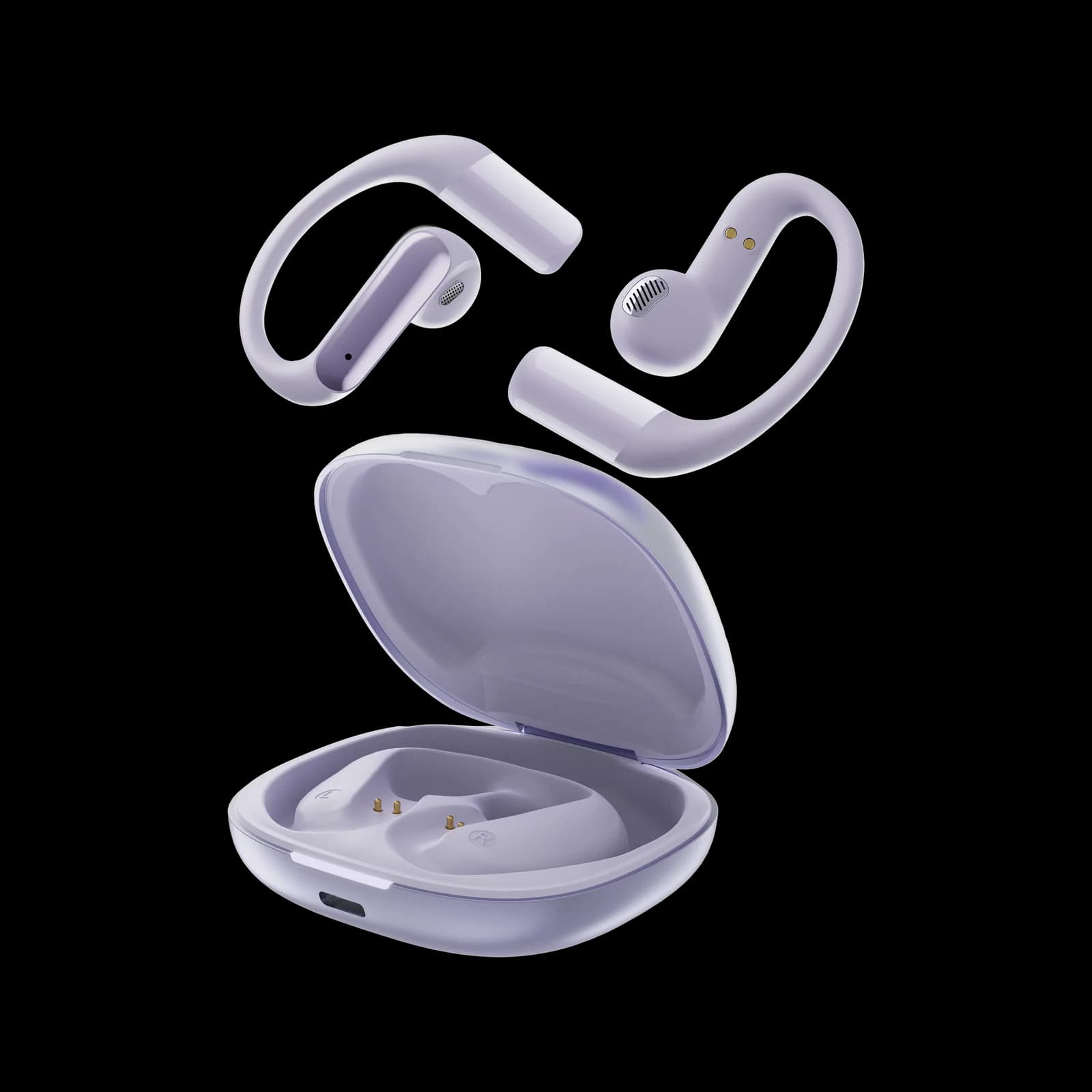
Open-ear earbuds do not rely on a silicone tip sealing the ear canal. Clip-on designs attach to the outer ear, which can be useful for people who dislike the sensation of an inserted earbud.
The trade-off is that the fit moves to a different part of the ear. A clip that is too tight can pinch, while one that is too loose may shift. Small ears do not all have the same outer-ear shape, so check the clip dimensions, flexibility and return policy. Do not assume that a clip-on model will fit every small ear simply because it does not enter the canal.
To see what these specifications look like in practice, our W12 clip-on model attaches around the outer-ear rim, skips the ear tip entirely, and keeps the whole kit — both earbuds plus charging case — at roughly 55 g. Weight matters for a different reason than canal fit: a light clip applies less pressure at its contact points over long sessions. And because nothing sits inside the canal, people who find side sleeping uncomfortable with in-ear buds often evaluate clips next — see how side sleeping changes earbud fit for that use case specifically.
How to evaluate fit before you buy
Check the housing, not just the tip sizes
Look for product dimensions, close-up images and the angle at which the earbud sits. If the manufacturer only lists small, medium and large tips, that tells you little about the size of the main body.
Consider weight and pressure points
A lighter earbud may reduce the feeling of weight, but shape still matters. Notice whether the housing rests against the concha (the bowl-shaped area of the outer ear) or whether the nozzle needs to be pushed deeply into the canal to stay secure.
Look for a proper fit test
Some companion apps offer an ear-tip fit test. It can help identify whether a seal is adequate, but it does not measure long-term comfort or guarantee that the housing suits your ear. Treat it as one piece of information, not a final verdict.
Buy from a seller with a clear return policy
Fit is personal, and online photos cannot show exactly how a product will feel in your ears. Check the seller's hygiene-related return restrictions before opening the package. If returns are not accepted after use, make sure the sizing information is detailed enough to make an informed decision.
Small ears and sound quality: does fit affect audio?
It can. A poorly fitted in-ear earbud may not create a consistent seal, which can change bass response and make listening levels seem uneven. Some users respond by turning the volume up, but increasing volume is not a good substitute for a comfortable fit.
Open-ear models work differently because they do not seal the canal. They can sound more open and preserve awareness of nearby sounds, but bass response and isolation may differ from sealed in-ear earbuds. Choose based on where you listen and what matters most to you—not on the assumption that one style is universally better.
Buying checklist: earbuds for small ears
Before choosing a pair, confirm:
Whether the package includes extra-small tips.
The width and depth of the earbud housing, if published.
Whether the nozzle angle suits a shallow or narrow ear canal.
The weight of each earbud, not just the pair and charging case.
Whether the product has a fit test or adjustable ear wings.
For clip-ons, the clip gap, flexibility and contact material.
The seller's return and hygiene policy.
Frequently asked questions
What are the best earbuds for very small ears?
Start with compact in-ear models that offer extra-small tips and a genuinely small housing. If the discomfort comes from having something inside the canal, compare open-ear or clip-on options. The best choice depends on whether the problem is canal size, outer-ear pressure or retention.
Why do earbuds hurt my ears even with the smallest tips?
The hard housing or nozzle may still be too large or poorly angled for your ear. A smaller tip cannot change the dimensions of the body. Stop using a pair that causes pain and consider a different shape rather than forcing a tighter fit.
Are wireless earbuds available with extra-small ear tips?
Yes. Some wireless earbud models include extra-small silicone tips or sell compatible replacement tips separately. Confirm compatibility with the exact model before purchasing third-party tips.
Are clip-on earbuds better for small ears?
They can be a useful alternative if in-ear tips are uncomfortable, because they attach to the outer ear instead of sealing the canal. However, clip tension and shape still matter. Check measurements and user-fit information where available.
Do smaller earbuds have worse battery life?
Not necessarily, but very compact designs have less physical space for batteries. Actual runtime varies by model and use conditions. Compare the manufacturer's playback estimate per charge and look for independent testing under clearly stated conditions — and make sure you are reading the per-charge figure, not a total that includes case recharges; what earbud battery claims actually measure explains the difference.
Editorial publication note: Product figures cited here (W12 clip design, kit weight) are manufacturer-rated specifications and should be re-verified against the current datasheet before publishing. Add verified housing dimensions, included tip sizes and individual earbud weight before making model comparisons. Avoid claims that a particular earbud is "the best" for small ears unless the article includes a transparent test method and multiple fit assessments.